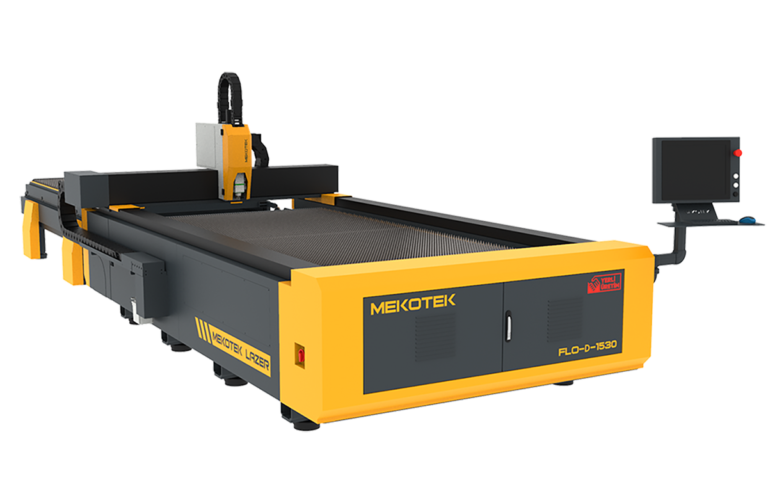
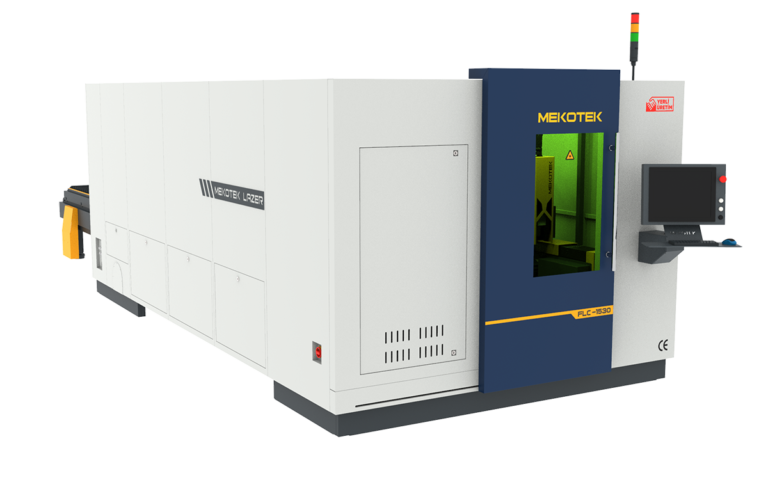
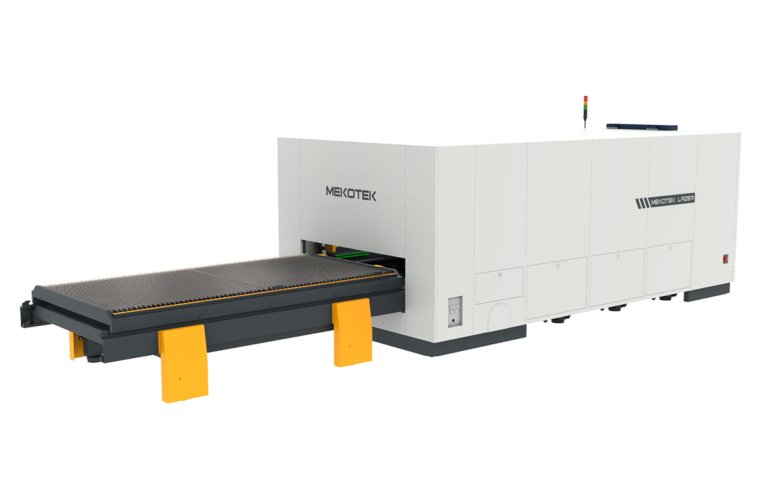
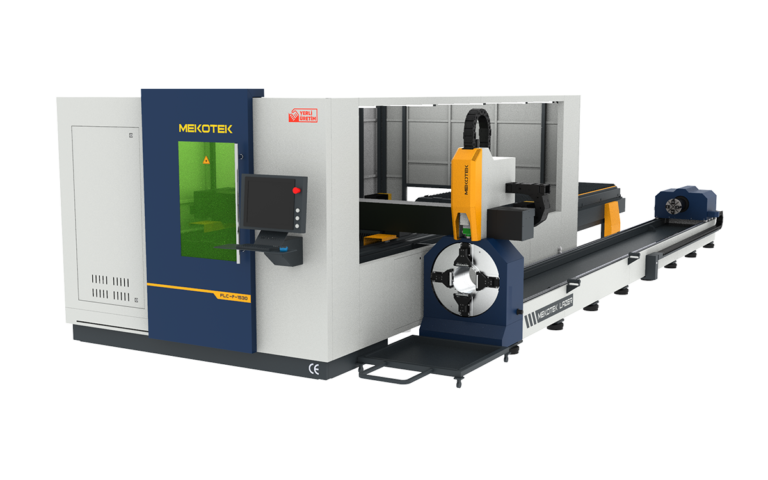
Fiber laser systems have become widely adopted across industrial manufacturing for their ability to deliver high-energy-density beams across processes such as cutting, welding, marking, and engraving. For metal fabricators and industrial manufacturers, fiber lasers combine strong operational advantages with broad application versatility.
1. High Cutting Speeds
Fiber laser systems achieve fast cutting feed rates and rapid piercing-especially on thin- to medium-gauge sheet metal—helping shorten cycle times and raise part throughput. This speed advantage makes fiber lasers a common choice across metal fabrication, automotive components, electronics enclosures, and metal furniture production.
2. Cut Quality and Fine Detail
High beam brightness and a tightly focused spot size allow fiber lasers to produce clean kerfs, sharp corners, and fine feature resolution. Proper beam delivery and assist-gas control yield smooth cut edges that can reduce or eliminate secondary deburring and finishing steps on precision or visible parts.
3. Long Service Life and Lower Upkeep
Solid-state fiber laser sources and guided optical fiber beam delivery eliminate many of the external mirror alignment adjustments required by legacy laser designs. Paired with clean assist gas, proper cooling, and scheduled preventive maintenance, fiber laser systems offer long service life and lower routine maintenance overhead.
4. Energy Efficiency and Compact Footprint
Fiber lasers typically convert electrical input into laser light at higher wall-plug efficiency than conventional gas or lamp-pumped laser systems. Lower power draw per cut part and a smaller overall footprint help reduce operating costs and simplify shop-floor integration-though industrial chillers and fume/dust extraction remain essential for sustained operation.
5. Broad Industry Applications
Across sheet, plate, and specialty processing, fiber laser systems support a wide range of industries and workflows—including contract metal fabrication, automotive, electronics, medical device components, jewelry, furniture, and packaging. Depending on machine configuration and power source, systems can be tailored for cutting, welding, engraving, or part marking.
By combining fast cutting speeds, clean cut quality, long service life, energy efficiency, and application versatility, fiber laser systems help manufacturers improve throughput and part consistency. As fabrication demands continue to evolve, fiber laser technology remains a core pillar of modern industrial production.